



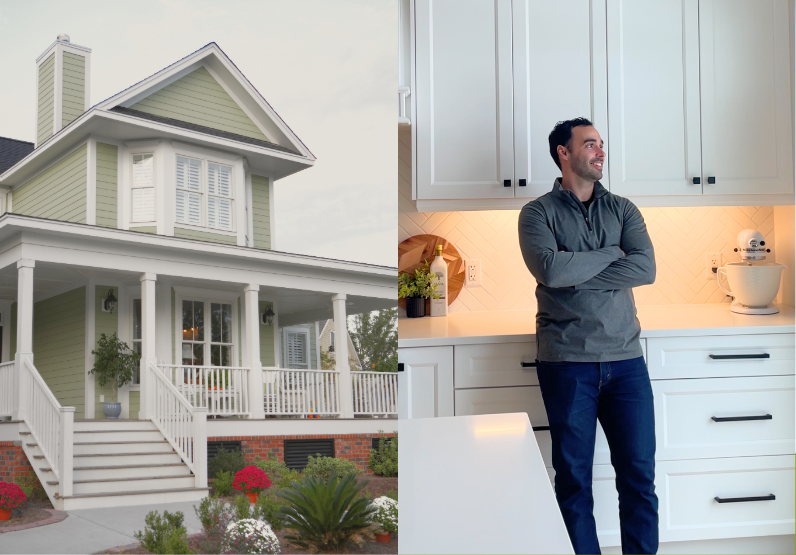
After more than a decade in real estate, I've had a front-row seat to thousands of homes, renovations, neighbourhoods, and buyer decisions.
I've seen what homeowners are thrilled about years later. I've also seen the decisions people wish they could take back. To be clear, none of these are necessarily "wrong." Every homeowner has different priorities, budgets, and goals.
But if I were buying a home today, these are 10 things I would personally avoid based on what I've learned over the past 11 years.
1. Buying a Home Without Learning Enough About the Area
Most buyers spend hours researching the house itself. Far fewer spend time researching the neighbourhood.
The reality is that you can renovate almost anything about a house. You can't easily change:
- Traffic patterns
- Nearby amenities
- School catchments
- Noise levels
- Commute times
- Future growth
Before buying, spend time in the area at different times of day. Visit local businesses. Drive the route to work. Walk the neighbourhood. The house matters, but so does everything around it.
2. Ignoring Future Development Plans
A quiet field behind your home today may not stay that way forever. One of the most common surprises homeowners encounter is discovering major developments planned nearby after they've already moved in.
New subdivisions, apartment buildings, commercial developments, and road expansions can all impact privacy, traffic, views, noise and property enjoyment. Before purchasing, review municipal planning maps and development applications whenever possible. A little research can prevent a lot of surprises.
3. Overlooking How the Home Functions Every Day
When buyers walk through a home, it's easy to focus on finishes and aesthetics. But long-term satisfaction often comes down to functionality.
Think about:
- Storage space
- Entryways
- Mudrooms
- Laundry placement
- Kitchen workflow
- Garage access
Small inconveniences repeated every day can become bigger frustrations over time.
4. Neglecting the Spaces You Use Most
Not every room carries the same weight in daily life.
For most homeowners, certain spaces get used constantly:
- The kitchen
- Primary bathroom
- Front entry
- Home office
- Laundry room
If you're investing money into your home, these areas often provide the greatest return in terms of quality of life. The goal isn't necessarily luxury. It's making everyday life easier.
5. Putting Off Small Maintenance Issues
One of the most expensive mistakes homeowners make is ignoring small problems. That dripping faucet. The loose piece of siding. The small roof repair. The grading issue in the backyard.
Minor issues rarely stay minor. Routine maintenance protects both your home and your wallet over the long term.
6. Over-Improving for the Neighbourhood
Renovations can absolutely add value. But not all renovations add value equally.
At some point, you can spend more on upgrades than your neighbourhood can support. This doesn't mean you shouldn't improve your home. It simply means improvements should be made with an understanding of local market expectations.
A $150,000 renovation doesn't automatically increase a home's value by $150,000.
7. Choosing Trendy Over Timeless for Expensive Finishes
Design trends come and go. What's popular today may feel dated surprisingly quickly.
This is especially true for big-ticket items such as:
- Kitchen cabinetry
- Flooring
- Countertops
- Tile selections
There's nothing wrong with incorporating personality into a home. But when making expensive decisions, timeless usually ages better than trendy.
8. Underestimating the Importance of Curb Appeal
First impressions matter.
Whether you're selling next year or staying for 20 years, curb appeal affects how you feel about your home every time you arrive.
Simple improvements can have a significant impact:
- Landscaping
- Exterior lighting
- Front doors
- Walkways
- Paint touch-ups
The outside of your home sets the tone before anyone ever steps inside.
9. Assuming Every Renovation Pays for Itself
One of the biggest myths in real estate is that renovations automatically generate dollar-for-dollar returns. Some upgrades improve resale value. Others primarily improve lifestyle.
And that's perfectly okay.
A backyard oasis, custom home theatre, or luxury wine cellar may be worth every penny to the homeowner who enjoys it. Just don't assume every improvement will be fully recovered upon resale.
10. Making Every Decision Based on Resale Value
This may be the most important one. Yes, resale value matters. But so does enjoying your home. Sometimes homeowners become so focused on future buyers that they forget they're the ones living there today.
A home should support your lifestyle, not just maximize future marketability. The best decisions often balance both.
Final Thoughts
After 11 years in real estate, the biggest lesson I've learned is that great homeownership isn't just about buying the right property. It's about making thoughtful decisions after you own it. The homes that tend to age well, maintain value, and create the happiest owners usually aren't the flashiest. They're the homes where owners paid attention to functionality, maintenance, location, and long-term enjoyment.
Real estate is part investment and part lifestyle. The best decisions tend to respect both.
Check out this article next