


If you’re thinking about moving to Kingston, Ontario, you’ve probably already researched the basics: housing costs, schools, neighbourhoods, commute times and maybe where the nearest grocery store will be.
But there are some things about living in Kingston that are harder to understand until you’ve actually spent some time here.
After more than 30 years of calling Kingston home — and years spent working in Kingston real estate — these are some of the things we think are worth knowing before you make the move.
Not necessarily the things you'll find on a standard moving checklist, but the details that can make a surprisingly big difference once Kingston becomes home.
1. Kingston Has a Pace of Life That’s Hard to Explain Until You Live Here
Kingston sits somewhere between a small town and a much larger city.
There are restaurants, concerts, festivals, university sports, waterfront activities, shopping and plenty happening throughout the year. At the same time, getting around the city is relatively manageable and you're rarely very far from the places you visit regularly.
That balance is one of the things many people come to appreciate about living in Kingston.
You can spend Saturday morning downtown, walk along the waterfront in the afternoon and still be home without feeling like you spent half the day getting around.
2. Kingston Neighbourhoods Are More Different Than You Might Expect
If you're moving to Kingston from another city, don't assume choosing a neighbourhood is simply a matter of deciding between the east end, west end and downtown.
Kingston's housing stock changes considerably depending on where you look.
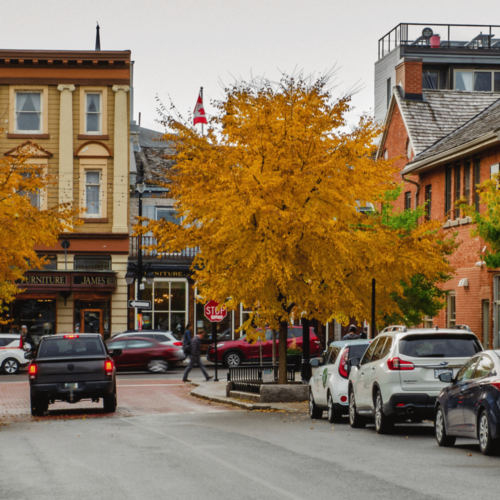
Closer to downtown, you'll find older neighbourhoods with historic limestone homes, century properties and streets that developed long before the suburban parts of Kingston existed.
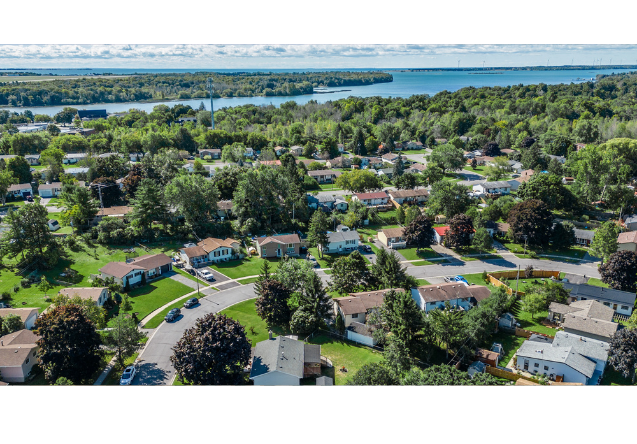
Head west and you'll find established areas such as Auden Park, Westwoods and Cataraqui Woods, along with newer communities that have continued to grow around the west and northwest ends of the city.
Cross the Waaban Crossing into Kingston East and you'll find another mix of established communities and newer development.
And that's before considering communities immediately outside Kingston, such as Amherstview, Odessa, Inverary and Sydenham.
The right Kingston neighbourhood often comes down to much more than the house itself.
3. Kingston’s History Is Part of Everyday Life
Kingston's history isn't confined to museums.
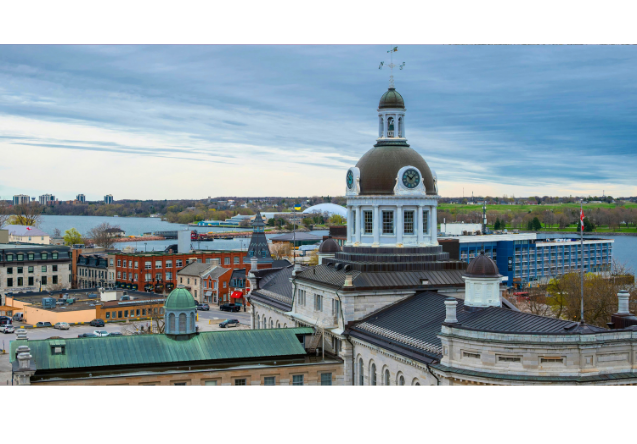
You see it in the limestone buildings downtown, established neighbourhoods, waterfront, historic properties and landmarks scattered throughout the city.
Even after decades of living here, there always seems to be another building, neighbourhood or property with a story you didn't know.
For someone moving to Kingston, that can also make house hunting interesting. Two homes at similar price points can offer completely different experiences depending on their age, location and the period in which the neighbourhood was developed.
4. Kingston’s Waterfront Is a Bigger Part of Life Here Than You Might Expect
It's difficult to talk about living in Kingston without talking about the water.
Kingston sits where Lake Ontario meets the St. Lawrence River and the Cataraqui River, giving the city a strong connection to the waterfront.
Locals have access to places such as Gord Edgar Downie Pier and Breakwater Park, Lake Ontario Park, Confederation Park and the Waterfront Pathway, along with boating and paddling opportunities throughout the surrounding region.
During the summer, the waterfront becomes a big part of how people experience the city.
And even after living here for years, it's easy to realize you're probably still not taking advantage of it enough.
5. Kingston Is a City Where Your Reputation Follows You
Kingston has a population large enough that you certainly won't know everyone.
But it can still feel like a very connected community.
You meet someone who knows your coworker. Your neighbour knows someone you went to school with. You find out the owner of a local business is connected to someone you've known for years.
For better or worse, people know people in Kingston.
It's one of those things that's difficult to quantify on a relocation checklist, but you'll probably start noticing it fairly quickly once you live here.
6. Where You Live in Kingston Matters More Than You Might Think
Kingston isn't geographically enormous, but location can still have a noticeable impact on your everyday routine.
Someone working downtown may have very different priorities from someone commuting to CFB Kingston, Queen's University, Kingston General Hospital or a workplace in the west end.
Access to public transit can also vary depending on where you live.
That's why we encourage people relocating to Kingston to think about their actual weekly routine rather than choosing a neighbourhood based solely on the house.
Where will you work? Where do your children need to go? Do you rely on Kingston Transit? How frequently will you need to cross the city? Which amenities do you use most often?
A home that looks perfect online may not be the best fit if its location makes everyday life unnecessarily difficult.
7. Don’t Overlook the Communities Just Outside Kingston
One of the advantages of Kingston is how quickly the landscape changes once you leave the city.
Within roughly 20 to 30 minutes, depending on your destination, you can find rural properties, acreage, waterfront homes and smaller communities while keeping Kingston relatively close for work, shopping and services.
Areas such as Amherstview, Odessa, Inverary, Sydenham and South Frontenac can be worth exploring depending on what you're looking for.
For some buyers, Kingston itself is the right fit. For others, expanding the search slightly outside the city opens up completely different property types and lifestyles.
Just remember to factor the commute into your decision.
8. Kingston Feels Very Different Depending on the Season
If your first visit to Kingston happens in July, you aren't getting the complete picture.
Summer in Kingston means patios, boats, waterfront walks, festivals, outdoor concerts and events happening throughout the downtown core.
Fall brings changing leaves, apple picking, the Kingston Fall Fair and the return of university students.
And then there's February.
Winter is very much part of living in Eastern Ontario, and your experience of the city changes along with it.
That's not necessarily a negative — but if you're considering moving to Kingston from somewhere with a different climate, it's worth thinking about what everyday life looks like here throughout the entire year, not just during a beautiful summer weekend.
9. Kingston Is Surprisingly Well Positioned Between Larger Cities
One thing that's easy to overlook when considering a move to Kingston is its location within Eastern Ontario.
Kingston sits along the Highway 401 corridor between Toronto and Ottawa, with Montreal also accessible for a longer trip east.
You don't necessarily need to leave Kingston very often for everyday life, but having several major cities within reach can be useful for work, travel, family visits and weekend trips.
The VIA Rail station also provides another option for travelling between major cities along the corridor without driving.
For people relocating from Toronto or Ottawa, Kingston can offer a different pace of life without completely disconnecting them from either city.
10. Kingston Can Become More Appealing the Longer You Live Here
This might be the hardest part of Kingston to explain to someone considering moving here.
At certain stages of life, Kingston can feel small.
But over time, some of the things that make the city feel small can become the things you appreciate most.
The familiarity. The shorter distances. Running into people you know. Having favourite local businesses where people recognize you. Being close to the water. Having access to rural areas without giving up the conveniences of the city.
Kingston isn't going to be the right city for everyone.
But for many people who put down roots here, the things that initially make it feel different from a larger city eventually become a big part of why they stay.
Is Kingston, Ontario a Good Place to Live?
If you're researching a move, you'll probably find yourself Googling some version of this question eventually.
The answer depends on what you're looking for.
Kingston may appeal to someone who wants access to restaurants, events, healthcare, post-secondary institutions and other city amenities while preferring a smaller-city pace. Its waterfront, historic downtown and proximity to rural communities also make it possible to choose from very different lifestyles within a relatively small geographic area.
But there are practical considerations too.
Your budget, workplace, transportation needs, preferred type of home and lifestyle can all affect whether Kingston — and which part of Kingston — makes sense for you.
That's why we'd recommend researching neighbourhoods and day-to-day logistics alongside home prices before deciding where to buy.
Check out this article next