



Thinking about buying a house in Kingston, Ontario? Whether you're purchasing your first home, moving across the city, or relocating to Kingston from somewhere else, there's a lot to think about before you get the keys. And while finding a home you love is obviously a big part of the process, there's more to buying a property than browsing listings and booking showings.
You'll need to understand your budget, compare Kingston neighbourhoods, consider the different types of homes available, and know what to expect when it comes time to make an offer.
The good news? The process becomes a lot easier when you know what you're walking into.
We've put together this guide to help you understand how to buy a house in Kingston, Ontario, what costs to plan for, and some of the local details worth considering before making your next move.
1. Understand Your Budget Before You Start Looking
Before you start scrolling through homes for sale in Kingston, it's worth getting a clear picture of what you can comfortably afford. And we don't just mean the maximum mortgage a lender is willing to approve.
Your monthly housing costs may include your mortgage payment, property taxes, utilities, insurance, maintenance, and potentially condo fees.
For example, a detached home in Kingston's west end might come with different ongoing expenses than a downtown condo or a rural property in South Frontenac.
Think about what monthly payment works for your lifestyle, not just what you technically qualify for.
Get Pre-Approved for a Mortgage
Mortgage pre-approval is one of the first steps we'd recommend for anyone planning to buy a home in Kingston. A lender or mortgage broker will review your financial situation and provide an estimate of how much you may be eligible to borrow.
This helps you:
- Establish a realistic price range.
- Understand potential monthly mortgage payments.
- Compare mortgage products and rates.
- Be more prepared when you find a property you want to purchase.
Keep in mind that pre-approval isn't a guarantee of final financing. The lender will still need to approve the specific property and confirm your financial details.
2. Know the Costs of Buying a House in Kingston, Ontario
Your down payment is only one part of the cost of purchasing a home. There are several additional expenses that buyers should plan for before closing.
Ontario Land Transfer Tax
When you purchase a property in Kingston, you'll generally need to pay Ontario's provincial land transfer tax.
The amount depends on the property's purchase price. Eligible first-time homebuyers may qualify for a provincial land transfer tax refund of up to $4,000.
Unlike buyers purchasing within the City of Toronto, Kingston homebuyers do not currently pay an additional municipal land transfer tax.
Other Closing Costs to Consider
Depending on the property and your circumstances, you may also need to budget for:
- Legal fees and disbursements.
- Title insurance.
- Home inspection costs.
- Property tax and utility adjustments.
- Moving expenses.
- Mortgage-related fees or insurance.
- Additional inspections for wells, septic systems, or other property features.
A lawyer and mortgage professional can help you estimate these costs for your specific purchase.
Our advice? Don't stretch your budget so far that you're left with nothing for closing costs, moving expenses, or unexpected repairs after taking possession.
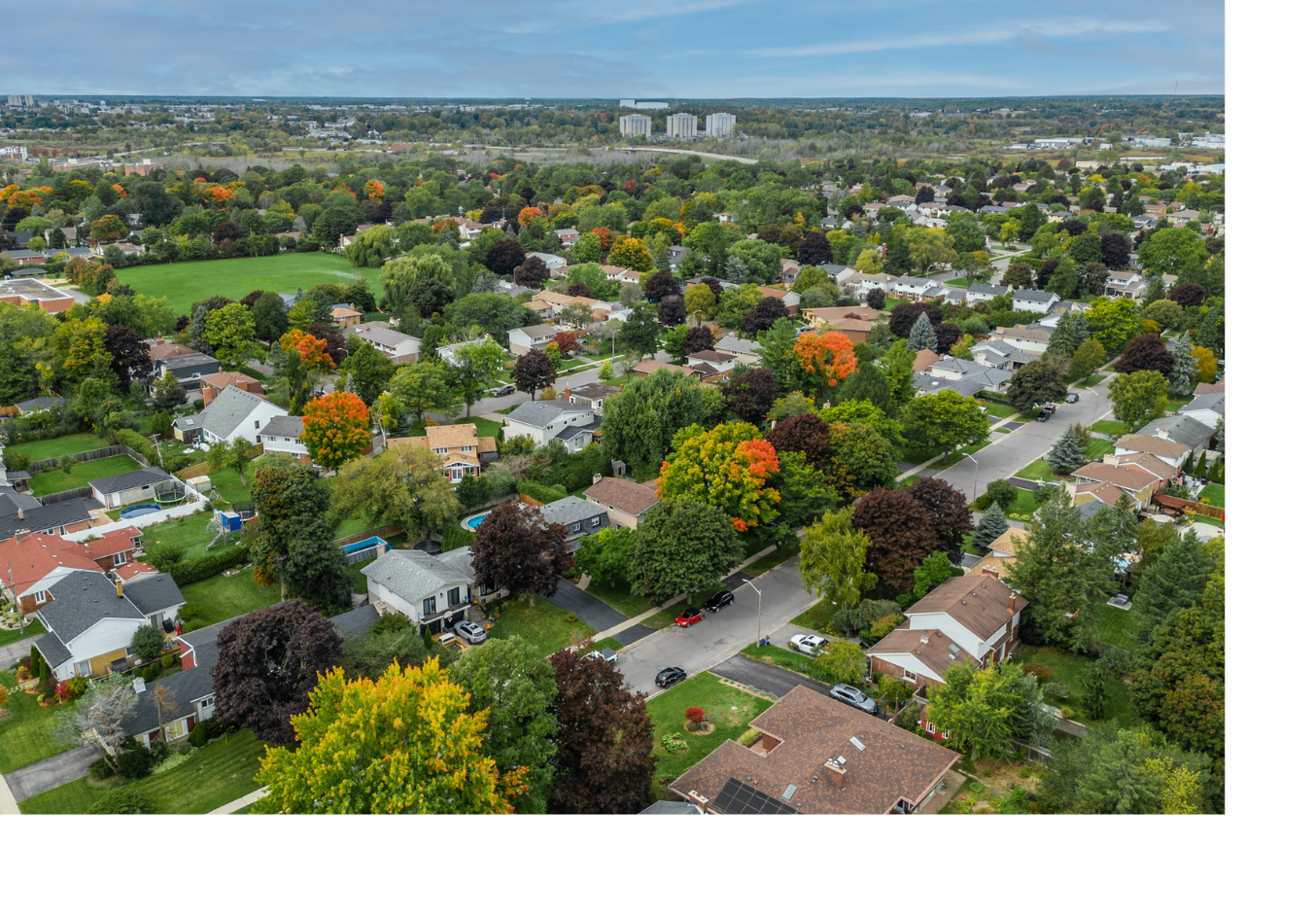
3. Choosing the Right Kingston Neighbourhood
One of the most important decisions when buying a home in Kingston is figuring out where you actually want to live.
Kingston isn't one uniform housing market. Different neighbourhoods offer very different types of homes, amenities, and lifestyles.
And the right location often depends on your daily routine just as much as your budget.
Downtown Kingston & Central Neighbourhoods
If walkability, historic character, restaurants, and proximity to the waterfront are priorities, downtown and central Kingston may be worth exploring. You'll find a mix of century homes, limestone properties, condos, and established residential streets.
Areas around Skeleton Park, Sydenham Ward, Williamsville, and the Queen's University district each offer their own character.
Something to consider: older homes can come with different maintenance needs, while parking, lot sizes, and street activity can vary considerably.
Kingston's West End
Kingston's west end includes established neighbourhoods such as Bayridge, Auden Park, Westwoods, and Cataraqui Woods, along with newer residential developments.
Depending on the neighbourhood, you'll find detached homes, semis, townhouses, and properties built across several decades. The west end offers access to shopping around Gardiners Road and Cataraqui Centre, recreational facilities, schools, and parks.
For buyers who regularly commute downtown or to the east end, it's worth testing the drive during the times you'd actually be travelling.
Kingston East
Kingston East includes communities such as Greenwood Park and areas surrounding Highway 15, along with historic Barriefield.
This part of the city can appeal to buyers who want access to CFB Kingston, the east-end amenities, and newer residential neighbourhoods.
The Waaban Crossing has also created an additional connection across the Cataraqui River, making it worth considering how different routes could affect your commute.
North Kingston
North Kingston includes a mix of established residential areas, newer development, and neighbourhoods with different housing styles and price points.
Areas such as Kingscourt and Rideau Heights have their own distinct housing characteristics, so it's worth researching individual streets and properties rather than treating the entire area as one market.
Communities Outside Kingston
Don't overlook what's just beyond the city limits.
Communities such as Amherstview, Odessa, Inverary, Sydenham, and other parts of South Frontenac can offer different property types and lifestyles.
If you're interested in a larger lot, rural setting, or waterfront property, expanding your search beyond Kingston may open up additional options. Just remember that commuting distances, municipal services, property maintenance, and transportation options can be very different outside the city.
4. Decide What Type of Home Makes Sense for You
Before you start touring properties, think about the type of home that best fits your needs.
Kingston offers everything from downtown condos and century homes to newer subdivisions, townhouses, and rural properties.
Detached Homes
Detached homes typically provide more separation from neighbouring properties and may offer private yards, garages, and additional living space.
However, you're generally responsible for maintaining the building, yard, roof, and major systems.
Semi-Detached Homes & Townhouses
Semi-detached homes and townhouses can be worth considering if you're looking for a balance between space, price, and maintenance.
Be sure to determine whether a townhouse is freehold or condominium ownership, since that can affect monthly fees and responsibilities.
Condominiums
Condos can appeal to buyers who prefer a smaller space or want fewer exterior maintenance responsibilities.
But before purchasing, look beyond the monthly condo fee.
You'll want to understand the condominium corporation's financial health, reserve fund, rules, and any planned major expenses.
Rural & Waterfront Properties
Properties outside Kingston can offer privacy, larger lots, and access to the region's lakes and countryside.
They can also require additional due diligence.
Depending on the property, you'll want to understand its water source, septic system, road access, heating, internet availability, and any applicable environmental or shoreline restrictions.
The goal isn't simply to find a house that looks great online. It's to find one that makes sense for how you actually live.
5. Make a List of Your Must-Haves (and Your Nice-to-Haves)
It's easy to fall in love with a home that checks all the aesthetic boxes.
But before you start booking showings, take some time to separate what you need from what you'd simply like to have.
For example, you might need three bedrooms, parking for two vehicles, and a manageable commute. A renovated kitchen, finished basement, or oversized backyard might be nice bonuses.
Knowing the difference helps you make better decisions when you find a property that's close to perfect but not quite everything you imagined. It also helps you avoid overlooking a genuinely good home because of something relatively easy to change, like paint colours or light fixtures.
6. Start Your Kingston Home Search
Once you've established your budget and priorities, you can start narrowing down properties. Online listings are a great starting point, but photos and descriptions don't always tell the whole story.
A home that looks spacious online might have a layout that doesn't work for you. A property that doesn't immediately stand out in photos could turn out to be a great fit in person.
When viewing homes, pay attention to things beyond the finishes. Consider the natural light, storage, room sizes, condition of major systems, surrounding properties, and how the location fits into your routine.
And don't be afraid to ask questions.
How old is the roof? When was the furnace replaced? Are there any known water issues? What are the typical utility costs?
The more information you gather, the easier it becomes to compare properties realistically.
7. What Should You Look for When Buying an Older Home in Kingston?
Kingston has a lot of character, and some of that comes from its older housing stock.
But buying a century home or an older property can involve different considerations than purchasing a newer build.
Depending on the property's age and condition, you may want to investigate:
- Electrical wiring and panel capacity.
- Plumbing materials and condition.
- Foundation and basement moisture.
- Insulation and energy efficiency.
- Roofing, windows, and exterior masonry.
- Heating and cooling systems.
- Previous renovations and permits.
Some older Kingston homes may also have heritage designations or be located within heritage conservation districts, which can affect certain renovations.
None of this means an older home is a bad investment. It simply means understanding what you're purchasing before making a commitment.
8. How to Make an Offer on a House in Kingston
Once you've found a property you want to purchase, the next step is preparing an offer.
This is where understanding the local market becomes particularly important.
An offer isn't just about the purchase price. It also includes the deposit, closing date, conditions, inclusions, exclusions, and other terms. The right approach depends on the property, its asking price, comparable sales, current competition, and your circumstances.
For example, a well-priced home attracting multiple interested buyers may require a different strategy than a property that's been on the market for several weeks.
Common Conditions When Buying a Home in Ontario
Depending on the situation, an offer may include conditions such as:
Financing: Gives the buyer an agreed period to obtain satisfactory mortgage financing.
Home inspection: Allows the buyer to arrange an inspection and evaluate the property's condition within the agreed terms.
Status certificate review: Common when purchasing a condominium, allowing time for legal review of the condominium's documents.
Sale of purchaser's property: May be used when a buyer needs to sell their existing home before completing the purchase.
Conditions can provide important protections, but they also affect the terms a seller is being asked to accept.
The goal is to understand the risks and make an informed decision rather than simply trying to make the most competitive offer possible.
9. Don't Skip the Due Diligence
A home can look beautiful during a showing and still have issues that aren't immediately obvious.
That's why due diligence matters.
A professional home inspection can help identify visible concerns with major components such as the roof, foundation, electrical system, plumbing, and heating equipment. But inspections also have limitations, and additional specialists may be needed depending on what is discovered.
For rural homes around Kingston, for example, you may need to investigate the well and septic system separately.
For condos, a lawyer's review of the status certificate can help identify financial or legal considerations that aren't visible during a showing.
And for waterfront properties, understanding shoreline regulations, access, and permitted uses can be just as important as the condition of the house itself.
Buying the right home isn't just about knowing when to move forward. It's also about knowing when to ask more questions—or when to walk away.
10. What Happens After Your Offer Is Accepted?
Getting an accepted offer is exciting, but you're not quite at the finish line.
If your offer includes conditions, you'll need to complete the required steps within the agreed deadlines. This may include finalizing financing, arranging inspections, reviewing documents, or completing other due diligence.
Once the conditions have been satisfied or waived in accordance with the agreement, the transaction can proceed toward closing.
During this period, your lawyer will handle important legal work, including reviewing title, arranging the transfer of ownership, and coordinating closing funds.
You'll also want to arrange insurance, utilities, moving logistics, and any final visits permitted under your agreement.
11. Closing Day: Getting the Keys to Your Kingston Home
Closing day is when ownership of the property officially transfers.
Your lawyer will coordinate the required funds and legal registration. Once the transaction has successfully closed, the keys can be released according to the arrangements in place.
It's a good idea to avoid scheduling everything for the earliest possible moment on closing day, since the timing of key release can vary.
And before moving in, make sure you've arranged the services you'll need. Depending on your property, that might include electricity, gas, water, internet, insurance, and other household services.
Then comes the fun part: making the place your own.
Frequently Asked Questions About Buying a House in Kingston, Ontario
Is Kingston, Ontario a Good Place to Buy a House?
Kingston offers a wide range of housing options, from historic downtown homes to newer suburban developments, condos, and rural properties.
Whether it's the right place to buy depends on your budget, lifestyle, employment, and long-term plans.
The city's waterfront, post-secondary institutions, military community, and location along the Highway 401 corridor are all factors buyers may consider.
How Much Do You Need for a Down Payment in Kingston?
Down payment requirements depend on the purchase price and mortgage financing.
For eligible purchases in Canada, the minimum down payment is generally 5% on the first $500,000 and 10% on the portion between $500,000 and $1.5 million. Homes priced at $1.5 million or more generally require at least 20% down.
Your lender can explain how these rules apply to your circumstances and whether mortgage default insurance is required.
What Are the Best Neighbourhoods to Buy a Home in Kingston?
There isn't one neighbourhood that's best for everyone.
Downtown may appeal to buyers prioritizing walkability, while areas in Kingston's west end or east end may suit different housing and commuting preferences.
The right choice depends on your budget, property requirements, and where you spend your time.
Should I Buy a House in Kingston Now or Wait?
That depends on both the current market and your personal circumstances.
Rather than trying to predict the perfect time to buy, consider your financial readiness, how long you plan to own the property, current inventory, and the types of homes available within your budget.
Reviewing recent sales and current listings in your preferred neighbourhood can help you make a more informed decision.
Do I Need a REALTOR® to Buy a House in Kingston?
You aren't legally required to work with a REALTOR® to purchase a home in Ontario.
However, a buyer's representative can help with property searches, reviewing comparable sales, preparing offers, negotiating terms, and coordinating the transaction.
Before entering into a representation agreement, make sure you understand the services being provided, the agreement's terms, and any compensation obligations.
Check out this article next