



Moving homes is exciting…but let’s be honest, it can also be very overwhelming. Between the packing, planning, and countless expenses, it’s no surprise that moving often ranks among life’s most stressful events. We’ve found that with a little preparation your moving process can be drastically smoother, calmer, and easier on your wallet.
Whether you’re relocating across town or across the province, here’s how to plan your move, build a realistic budget, and avoid surprise costs along the way.
Get Your Finances in Order
Before you even start by touching a box, it helps to know what you’re working with. Start by creating a simple moving budget. List all expected costs: packing materials, truck rental, movers, storage, cleaning, and utility setup. Include a “just in case” buffer of 10–20% for surprises (like a last-minute repair or extra storage month).
Having a clear budget will not only keep your finances on track but also give you peace of mind. For long-distance moves, consider researching typical truck rental rates and fuel costs in your area so there are no surprises on moving day.
Pack Smart
Packing can be a big expense, but there are ways to cut costs without cutting corners. Fragile items like dishes, glassware, or electronics need padding, but towels, sweaters, or newspaper can work just as well as bubble wrap. Books and heavy items go best in smaller boxes to avoid back strain, while soft items like clothes, linens, and pillows can go in larger boxes, bins, or even laundry baskets.
Label each box clearly with its contents and the room it belongs in. This will save you tons of time when unpacking. And if you’re looking to keep costs low, check local community boards or stores for free boxes, many people give them away after their own moves.
Storage Options When Timing Doesn’t Match
Sometimes your move-in and move-out dates won’t align. Short-term storage can be a lifesaver, but it comes at a cost. Small self-storage units typically run $150–$250 per month, while portable containers add $100–$200 for delivery and pickup.
To save money, rent only what you need. Split a unit with a friend, or pack only items you won’t need immediately. Keep a separate “essentials” box with a few days’ worth of clothes, toiletries, and kitchen basics, so you’re not digging through storage just to get through the first nights.
DIY or Hire Movers?
Deciding whether to move yourself or hire professionals is one of the biggest choices in the process.
- DIY: Renting a truck is usually $100–$300 per day. Factor in fuel, mileage, and any equipment rentals like dollies or straps. This option saves money but requires time and effort.
- Hybrid: Pack your own boxes and hire movers just for the heavy furniture or awkward items. It’s a great balance between saving money and avoiding injury.
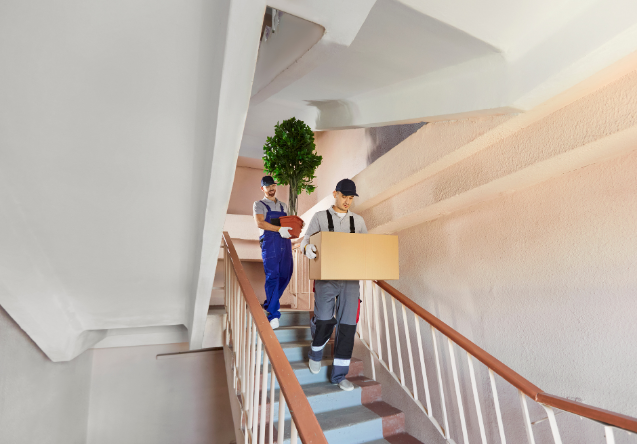
- Full-service: If you’re short on time, a full-service move can take care of packing, loading, transport, and unloading. Expect prices to start around $1,500 for a two-bedroom home, with extra charges for specialty items or long carries.
Whatever approach you choose, knowing your budget and limits ahead of time keeps the move manageable.
Watch Out for Hidden Costs
Even small things can add up: cleaning services, parking permits, or moving in tight urban areas may cost more than expected. Schedule cleaning ahead of time or leave it as a DIY project for a few focused hours. Check city parking rules if your truck needs a permit (you don’t want to add fines to the moving bill).
Practical Tips to Keep It Manageable
- Make a moving timeline: pack non-essential items first and leave daily essentials for last.
- Keep a “moving day kit” with snacks, chargers, water, and important documents.
- Take breaks and don’t try to do everything in one day. Moving is a marathon, not a sprint.
Moving doesn’t have to be chaotic. With a clear plan, practical strategies, and a bit of foresight, you can protect your time, your money, and your sanity. And if you want an extra hand, experienced real estate agents can connect you with reliable movers, guide you through closing timelines, and help make the transition smoother.
Check out this article next